
Snoring can turn bedtime into a noisy battle. If you’re tired of waking up groggy or getting elbowed by your partner every night, it’s time to make a few smart changes. If the problem sticks around, consulting an ENT In Singapore could reveal hidden issues you can actually fix. Simple habits can often quiet the noise and help you breathe better without needing surgery or fancy devices. Snoring isn’t just about noise. It’s your body’s way of saying airflow is being blocked somewhere, usually in the nose, mouth, or throat. Addressing the cause early can prevent bigger sleep problems later, like sleep apnea or chronic fatigue.
Assess Your Sleeping Position
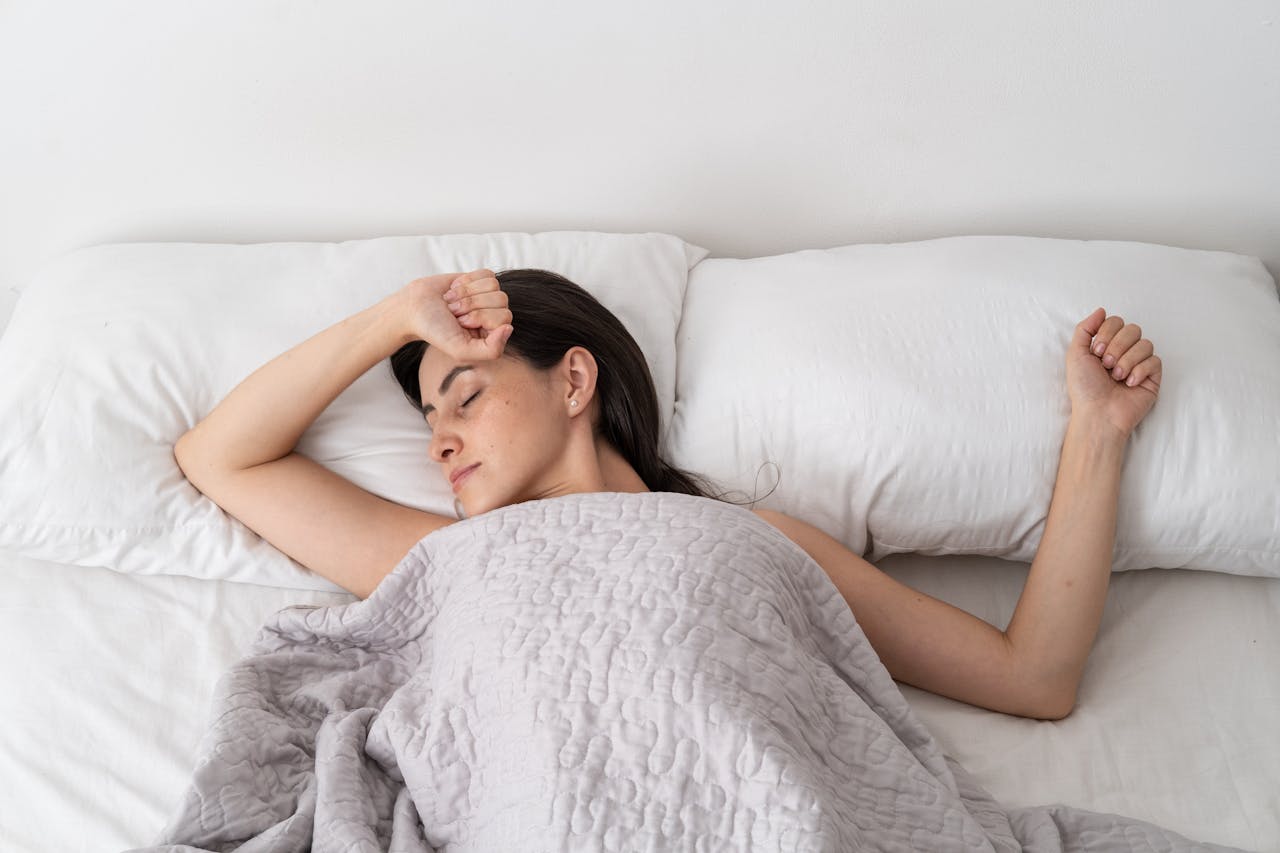 It might sound trivial, but the way you sleep plays a massive role in how much you snore. People who lie on their backs often have their tongue fall backward, partially blocking the airway and creating that familiar rumbling sound. Try sleeping on your side. Many notice improvement almost instantly. If switching positions feels impossible, consider using a body pillow or a tennis ball trick (yes, literally attaching one to your back to prevent rolling over). Over time, your body adapts, and side sleeping becomes second nature. It’s one of the easiest no-cost methods to keep your airways open.
Keep Air Passages Clean and Clear
Blocked nasal passages are a snorer’s worst enemy. If you’ve got allergies, a cold, or sinus congestion, your airway gets narrower, forcing air to move faster and louder. Keeping your nasal passages moist with saline sprays or a humidifier can help reduce snoring almost immediately. Also, pay attention to your sleeping environment. Dry air or dust can irritate your nasal passages, making things worse. A quick bedroom refresh, such as clean sheets, an air purifier, and a mild temperature, can make nighttime breathing smoother.
The Role of Weight and Lifestyle Habits
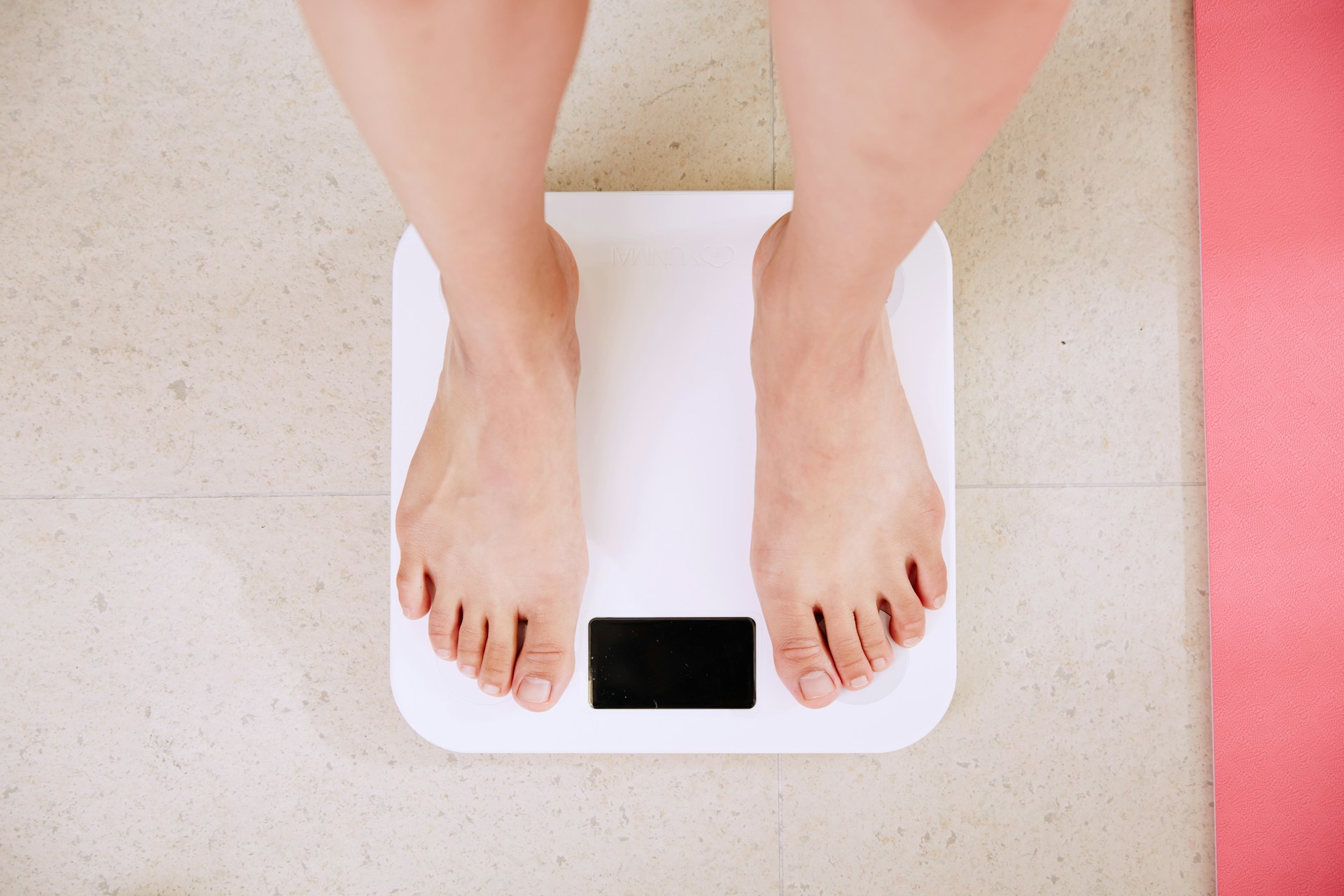 Carrying extra weight, especially around your neck and chest, can tighten your airway during sleep. Even a small reduction can ease pressure and open up your breathing space. Pair that with regular exercise, and you’re helping both your snoring and your heart. Avoiding alcohol before bed is another game-changer. Alcohol relaxes the throat muscles too much, making it easier for air to get trapped and vibrate. Try cutting back in the evening and see how much quieter your nights become.
Visiting an ENT Clinic in Singapore
Sometimes, lifestyle tweaks just aren’t enough. If your snoring is loud, chronic, or comes with choking sounds, it might be time to visit an ENT clinic. A qualified ENT can check for deeper causes like a deviated septum, nasal polyps, or enlarged tonsils, all of which can narrow your airway. An ENT in Singapore can also offer treatments beyond home remedies, like minimally invasive procedures that target problem areas without long recovery times. These options can dramatically reduce snoring and improve airflow, letting you sleep soundly again. Think of it as investing in your rest and your relationships.
Snoring might seem harmless, but it can wear down your health and patience over time. Small adjustments, like changing sleep positions or managing allergies, often bring big relief. But if it persists, visiting an ENT in Singapore could finally put an end to the problem. Better breathing starts tonight, and it’s easier than you think.…





 Many people believe that skipping meals is an effective way to shed


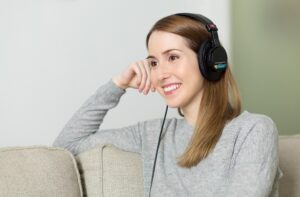 Life can be overwhelming at times, with work deadlines, personal responsibilities, and various challenges that come our way. But fear not! Music has a special ability to alleviate stress and bring calmness to our chaotic lives. When we listen to music, especially soothing melodies or instrumental tunes, it triggers the release of endorphins in our brain.
 When it comes to physical activity, music can be a game-changer. Whether you’re hitting the gym, going for a run, or engaging in any form of exercise, listening to music can greatly enhance your performance. One of the ways music improves physical performance is by helping us stay motivated and focused. The right tune can energize us and push us to go that extra mile or lift those heavier weights.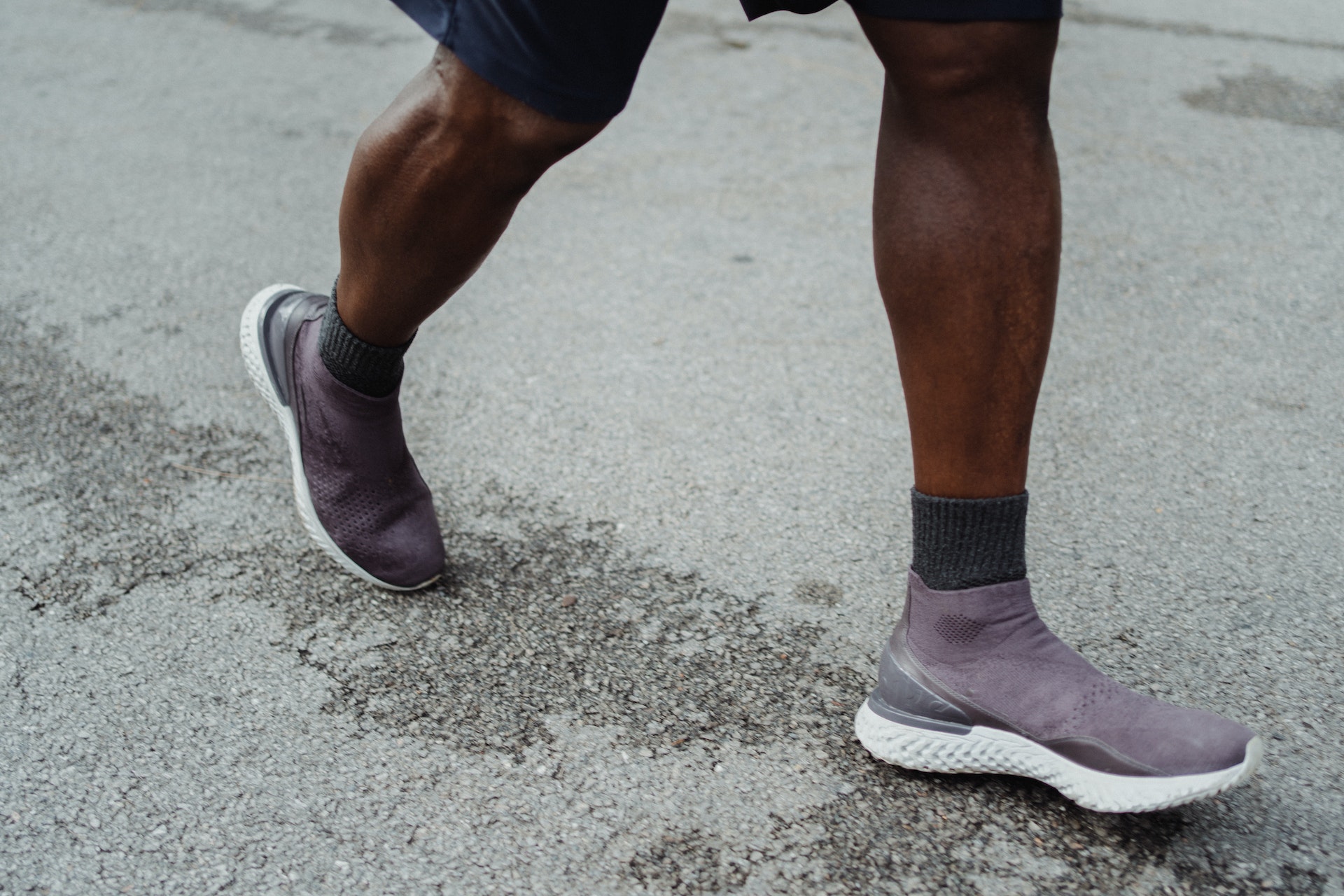
 Taking a 20-minute walk each day can significantly reduce your risk of developing heart disease. Walking is the absolute best form of cardiovascular exercise that gets your heart pumping and improves circulation throughout the body. When walking, your heart rate pumps up, which strengthens the muscles in your heart and helps to lower blood pressure. As a result, regular walking can decrease your risk of cardiovascular issues, including stroke and coronary artery disease.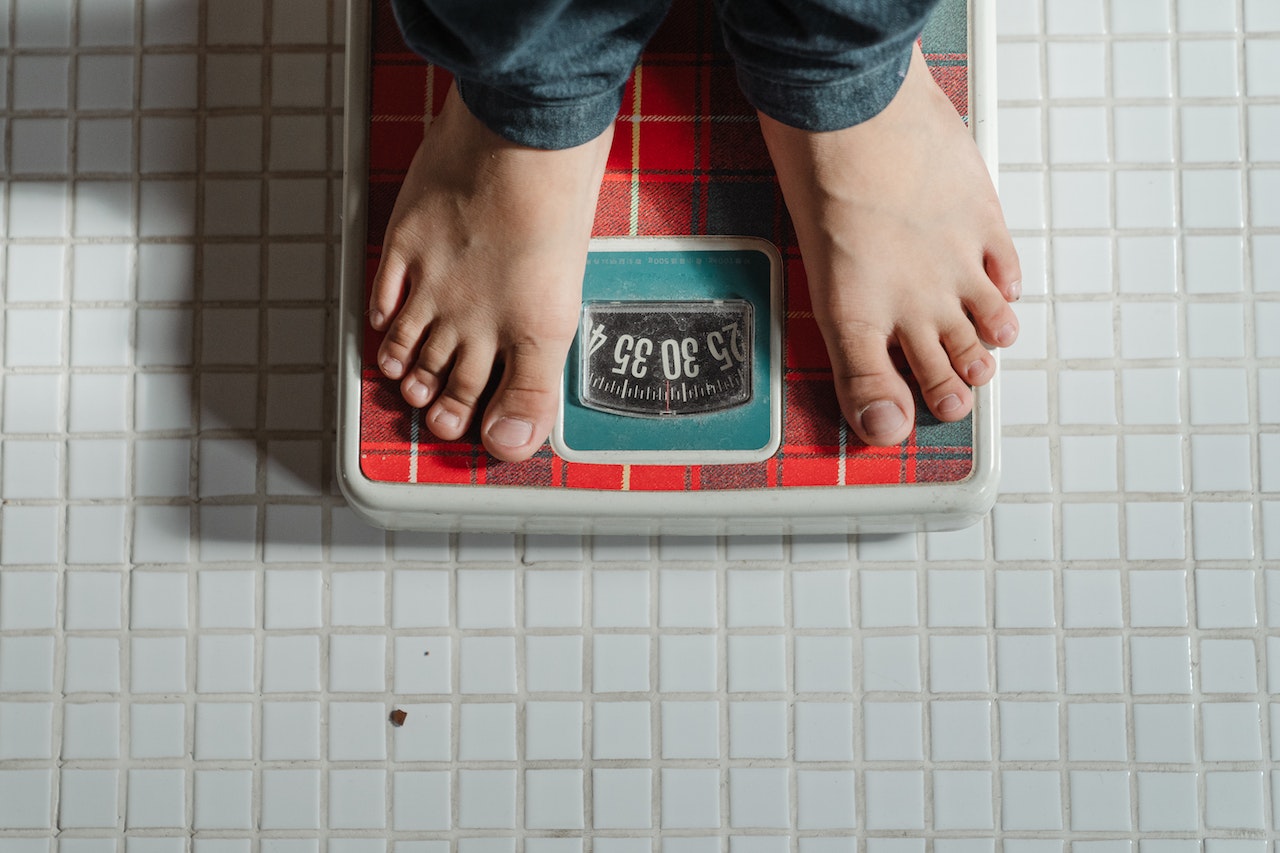
 Stress is a part of everyday life. However, by simply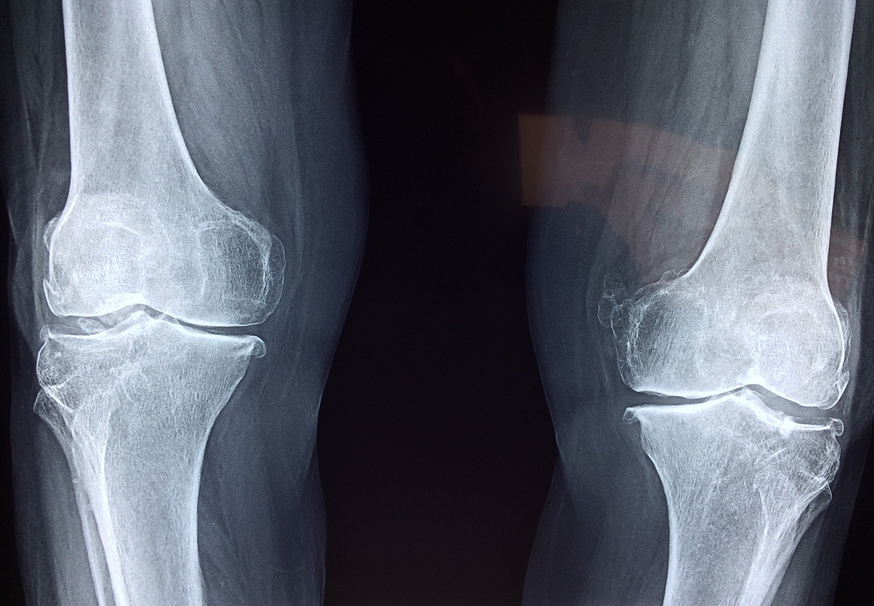

 Regular exercise is one of the most effective ways to prevent osteoporosis. When you exercise, your bones become stronger and denser. This means that they are less likely to fracture or break in the event of a fall or other trauma. Weight-bearing exercises like walking, jogging, dancing, and weightlifting are particularly effective at preventing osteoporosis. These exercises stress your bones, stimulating them to grow stronger and denser over time. In addition to strengthening your bones, regular exercise can also improve your balance and coordination. This is important because falls are one of the leading causes of fractures in people with osteoporosis.
 Medications can be an important part of preventing osteoporosis, especially for those at high risk. However, it’s important to remember that medication should never replace healthy lifestyle habits such as diet and exercise. There are several types of medications available for osteoporosis prevention and treatment, including bisphosphonates, hormone therapy, and selective estrogen receptor modulators (SERMs). Your doctor will determine the best type of medication for you based on your individual health needs. Bisphosphonates work by slowing down bone loss and increasing bone density. They are commonly prescribed for postmenopausal women with osteoporosis or to prevent osteoporosis in women with a high risk of developing it.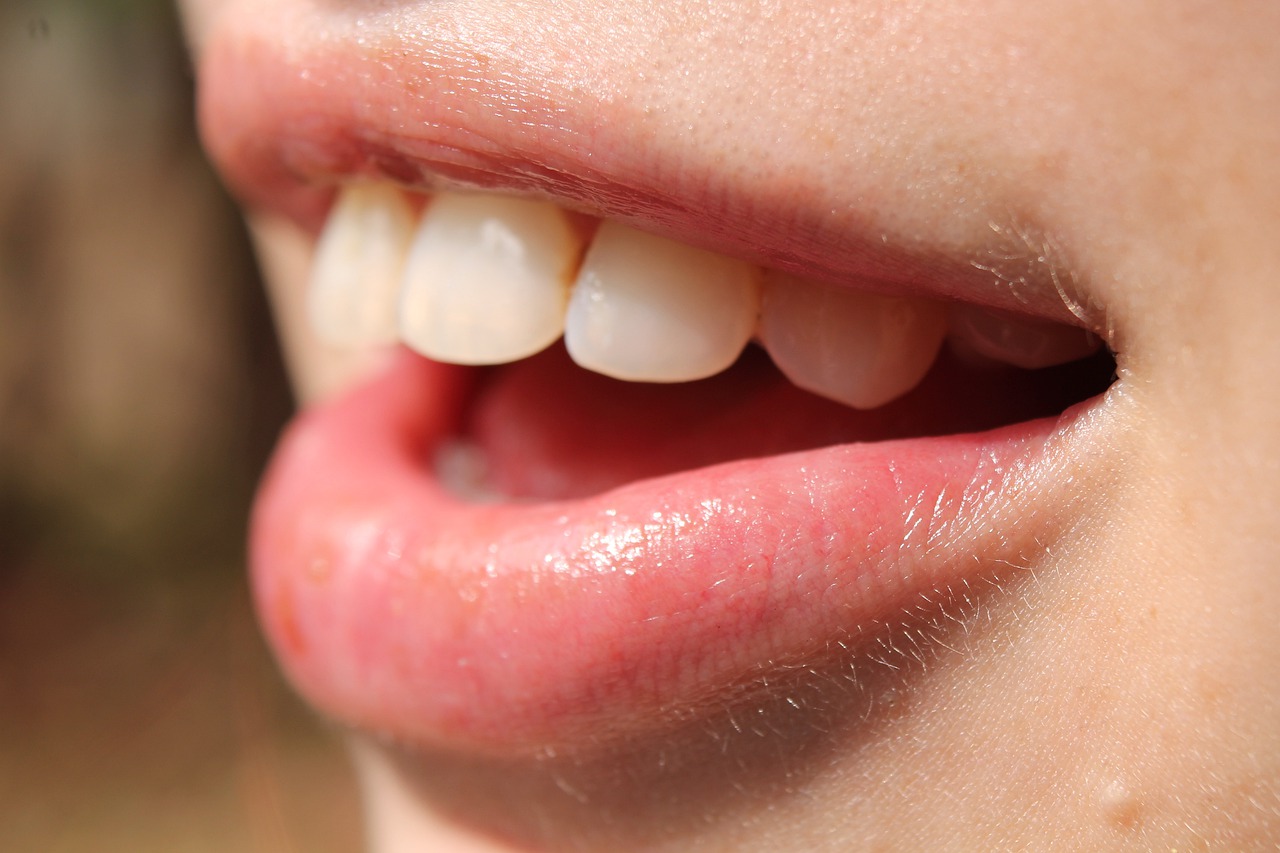

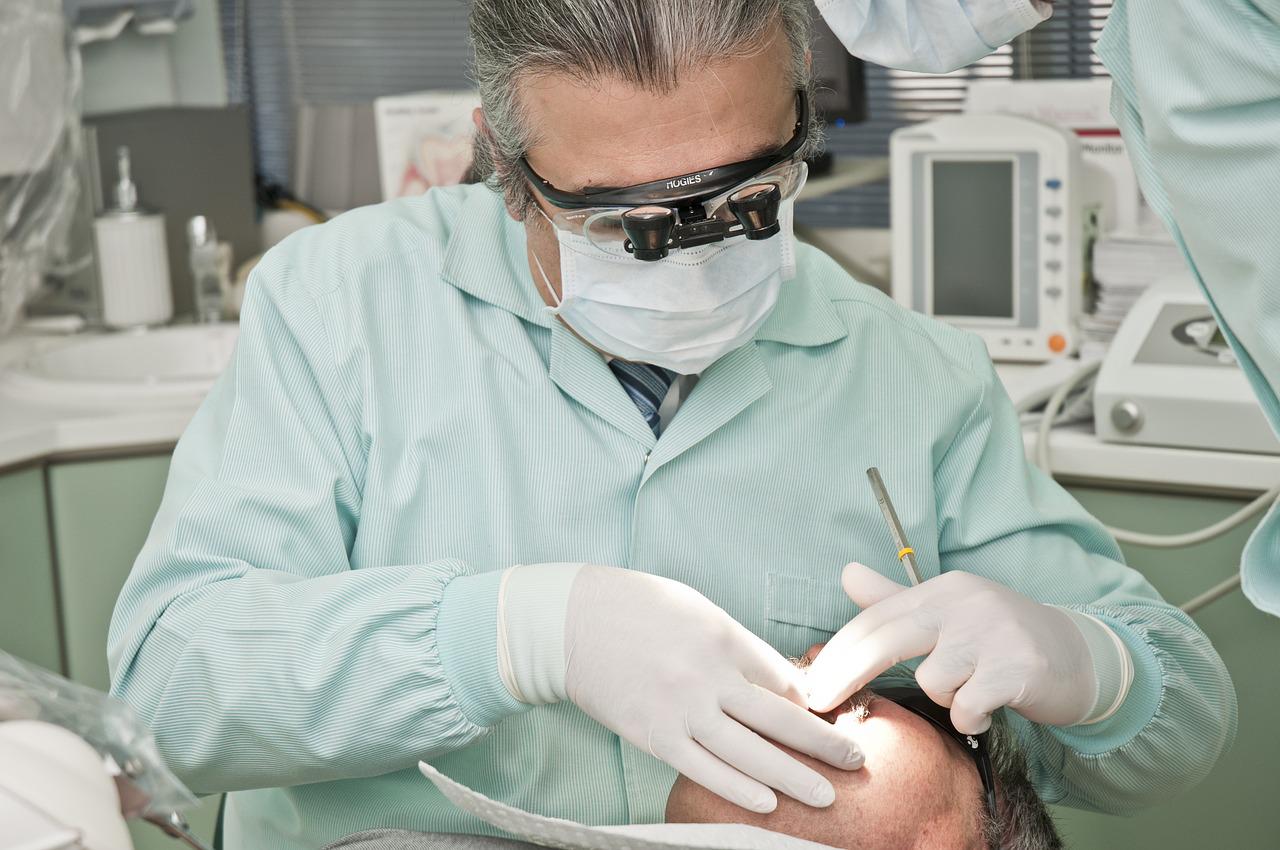
 So, what is dental health?
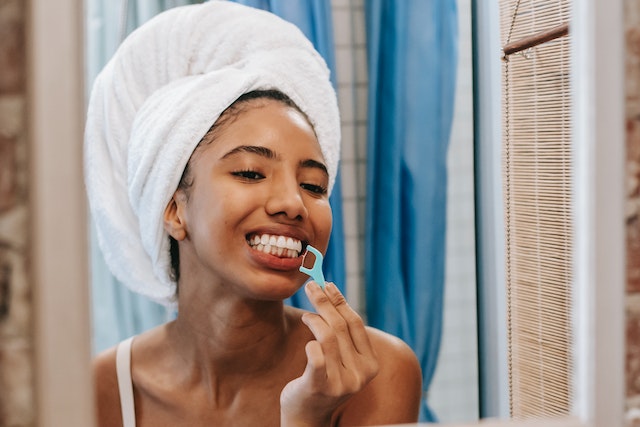
  As you have now seen, there are many reasons why dental health matters, but how do you actually maintain good dental health? One of the most common ways to do so is by brushing your teeth regularly. Brushing your teeth helps remove plaque, a sticky film of bacteria that can build up on your teeth and cause cavities. In addition to brushing, you should also floss daily and see your dentist for regular check-ups and cleanings. Another way to maintain good dental health is by eating a balanced diet. Eating plenty of fruits and vegetables helps keep your teeth and gums healthy.
 Managing pain is always a pain in the bum (no pun intended), even though some of us have higher pain tolerance than the rest of the flock; living with constant pain every day is no way to live life, my friend. Why not have them figured out at a chiropractic center where the chiropractors can tell you all of the cores and roots of the problem, so you can avoid and eliminate it once and for all?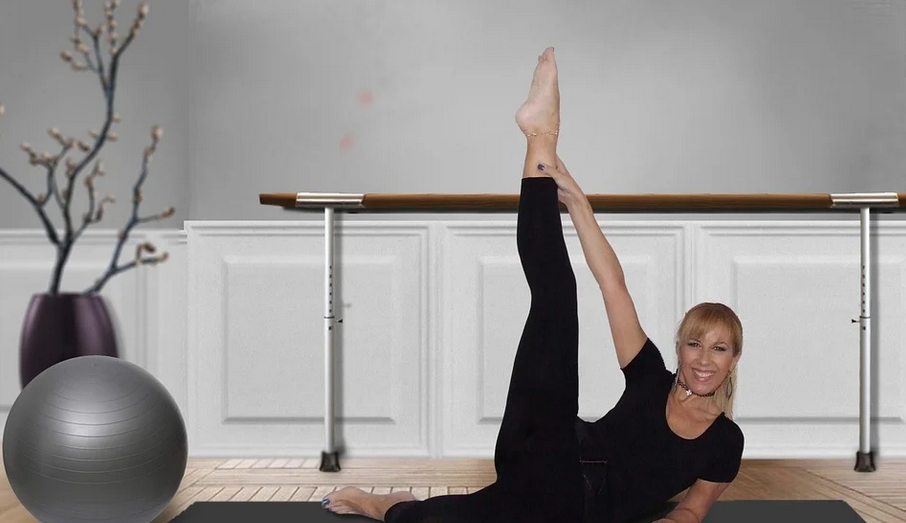
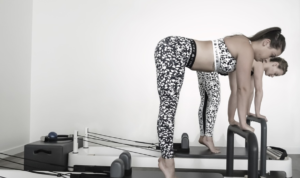 When doing this training helps you to gain balance and flexibility in your body. This will be helpful in many different situations where you need good balance and coordination, such as sports or trying to prevent falls when getting older. It can even help you become more flexible if that is what you are looking for!
 Physical activity is an excellent way to reduce stress, so it is no wonder why pilates courses are getting more popular by the day. You can take up a course at your local gym or sign up for an online one and get fit while reducing your stress levels in the process. If you are looking for a way to reduce stress, pilates courses are the right choice for you.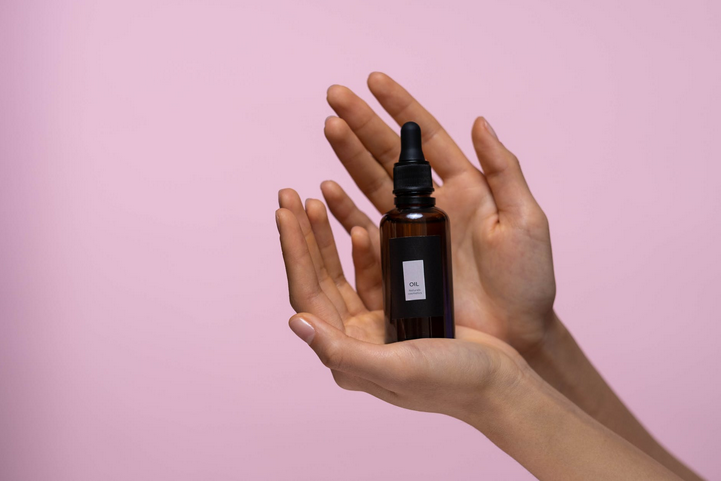
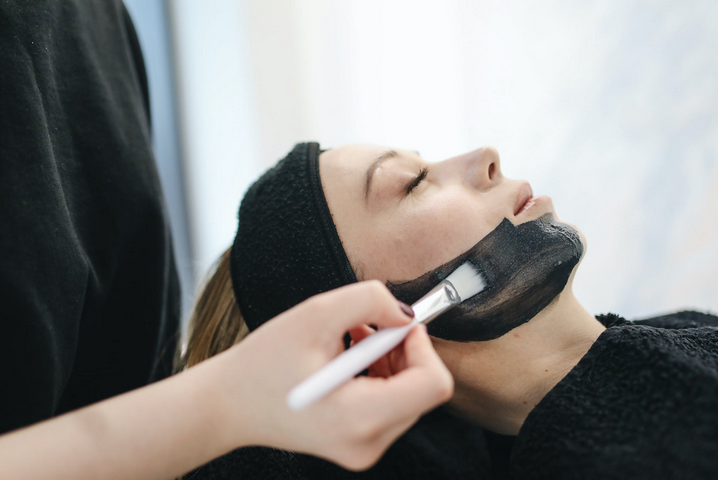
 The benefits of seeing a dermatologist are far-reaching. Dermatologists can help diagnose and treat various skin, hair, nails, mucus membranes, and genitals. They also play a vital role in cosmetic procedures such as treating acne scars or removing warts. They can also give you complete skin screening for precancer and cancer. Cancer can be a dangerous disease if you don’t get early screening.